Updated March 2026: This post has been revised to reflect current walk-in tub pricing from the National Council on Aging and industry sources.
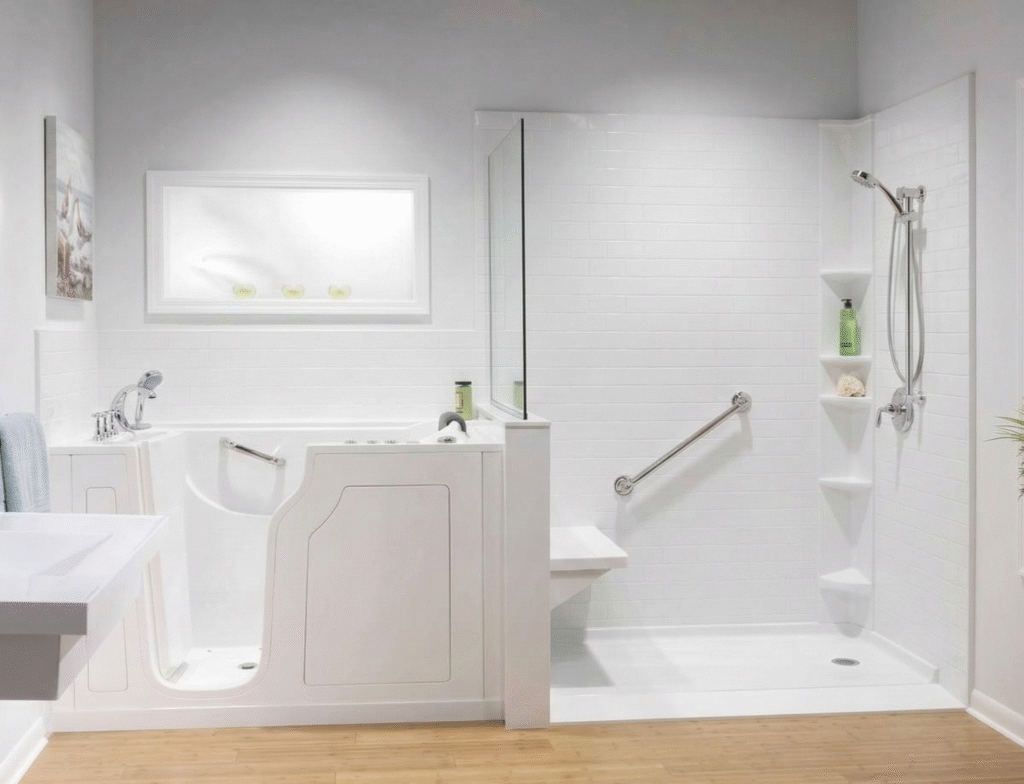
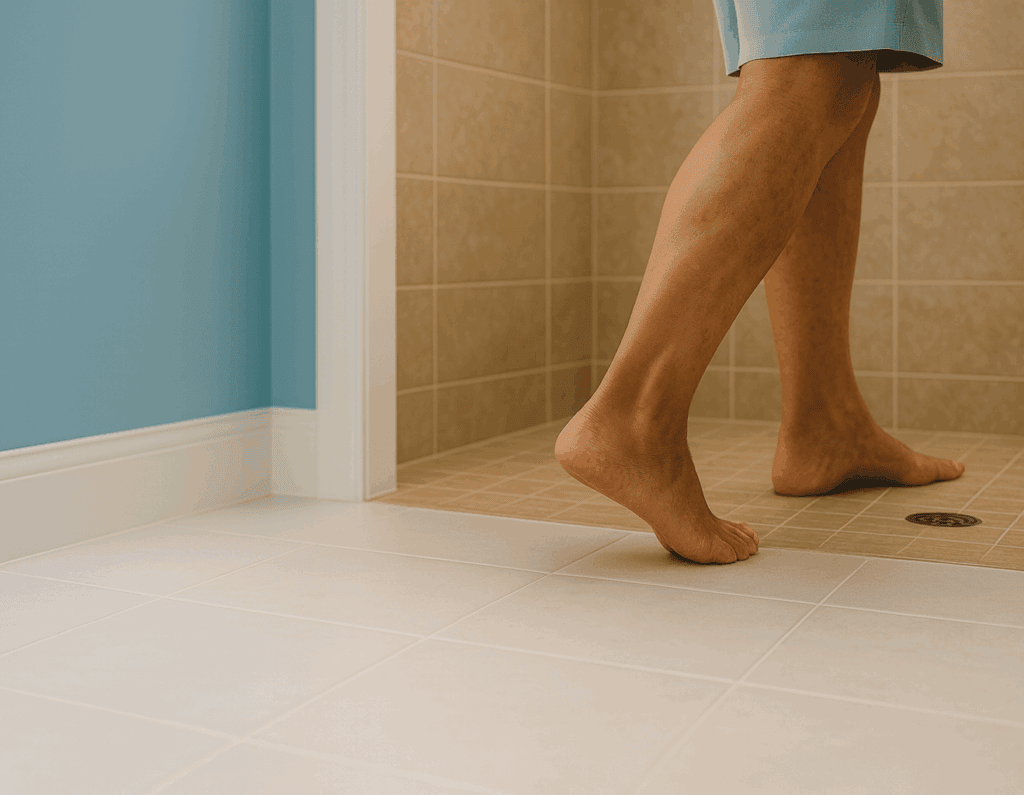
Walk-in tubs give people with mobility limitations or age-related physical changes a safer way to bathe independently. The total price depends on several variables that are easy to underestimate when you start shopping. If you are trying to plan a realistic budget, this guide breaks down what drives the price of a walk-in tub and what you can expect to pay at each level.
These figures reflect national averages across manufacturers and retailers. Mad City’s pricing depends on the specific product, your bathroom’s layout, and installation requirements. The most accurate way to get a number is through a free in-home consultation. Mad City offers professional walk-in tub installation across its service area. If you want a precise estimate for your bathroom, the process starts with a no-obligation in-home consultation.
How Much Does a Walk-In Tub Cost?
The price of a walk-in tub depends on the type you choose, the features it includes, and the complexity of the installation. According to the National Council on Aging, total installed costs generally range from $3,000 to $17,000. For premium acrylic models with professional installation and comprehensive warranties, like those offered by Mad City, homeowners should budget between $10,000 and $25,000.
Within that range, where you land depends primarily on tub type and feature load, both of which are covered below.
Walk-In Tub Cost by Type
Soaking Tubs
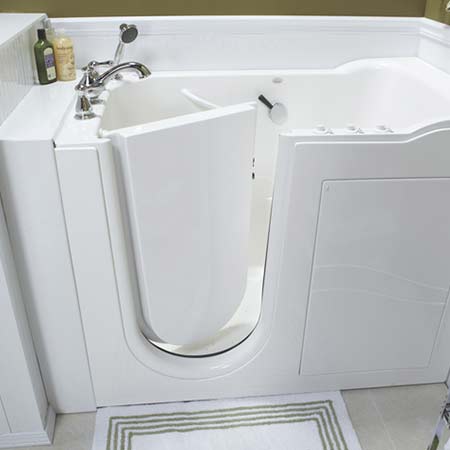
Soaking tubs are the baseline option. They include a watertight door, a low-step entry threshold, and built-in seating, but no jets or therapeutic features. Price range: $7,000 to $10,000.
This is the right choice for someone who needs safer bathing access but does not require hydrotherapy or other add-ons.
Hydrotherapy Tubs
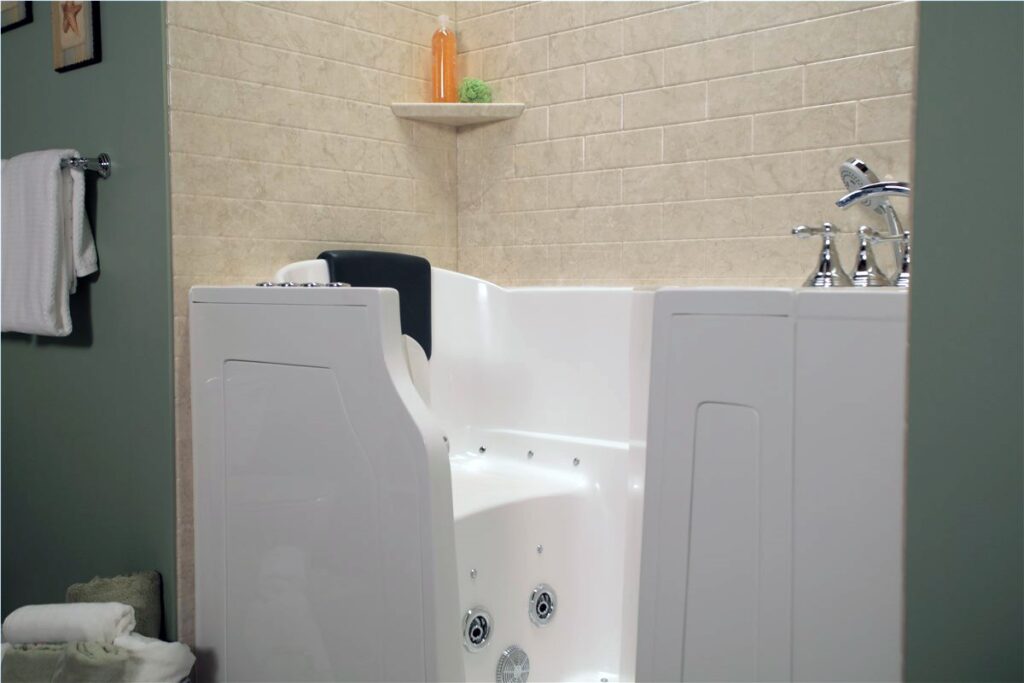
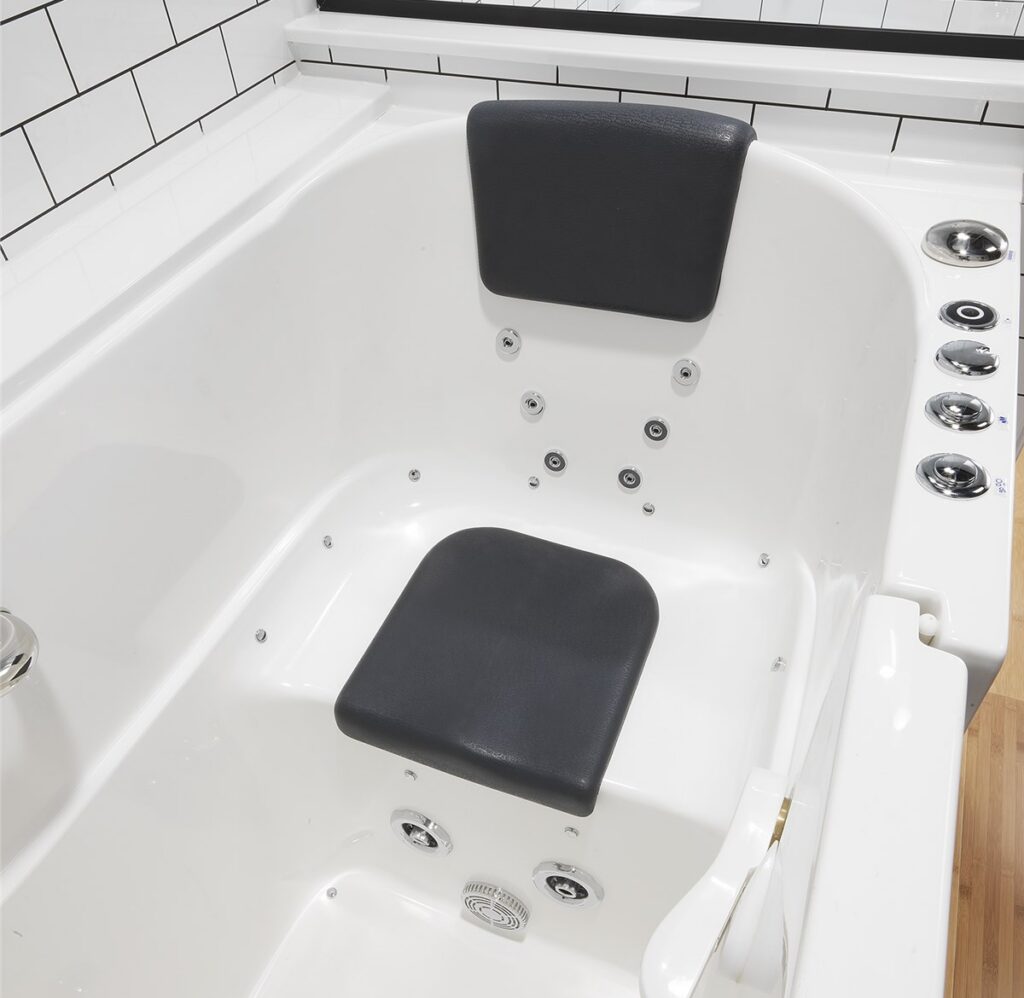
Hydrotherapy tubs use water jets to deliver targeted pressure to muscles and joints. They are commonly chosen by people managing arthritis, chronic pain, or circulation issues. Price range: $10,000 to $15,000.
Air Bath Tubs
Air bath tubs use jets that push heated air through the water rather than pressurized water streams. The result is a gentler, more diffuse massage effect that is better suited for people with sensitive skin or bruising concerns. Price range: $10,000 to $15,000.
Combination Jet Tubs
Combination tubs include both air and water jets, making them the most therapeutically versatile option in the standard lineup. Price range: $12,000 to $18,000.
Bariatric Tubs
Bariatric tubs are built for larger body sizes, with reinforced seating, wider door openings, and higher weight capacities. Price range: $15,000 to $20,000.
Walk-In Tub/Shower Combos
A combination unit adds an overhead shower to a standard walk-in tub configuration, which is useful when multiple household members share the bathroom. The shower component typically adds $500 to $1,000 to the base tub price.
If the goal is simply to have both bathing options available in one bathroom without the cost of a full combination unit, a shower-tub conversion may be worth evaluating as an alternative.
Luxury Tubs
Luxury models add premium materials and features like chromotherapy, aromatherapy systems, and upgraded finishes. Price range: $15,000 to $30,000.
Two-Seater Tubs
Two-seater tubs accommodate two users simultaneously and require more floor space than standard models. Price range: $18,000 to $30,000.
Features That Add to the Cost
Beyond the base tub type, individual features each carry their own cost. The figures below reflect mid-to-top-tier manufacturers with meaningful warranty coverage, not the lower-cost online models that tend to fail within one to two years.
- Handheld shower wand: $50 to $200
- Additional grab bars: $50 to $100 each
- Heated backrest or headrest: $100 to $200
- Aromatherapy system: $200 to $300
- Quick drain technology: $250 to $400
- Chromotherapy lighting: $300 to $600
- Custom seat or bench: $500 to $800
- Massage jets: $3,000 to $8,000
- Wheelchair-accessible (outward-swinging door) modification: $2,000 to $8,000
- Two seats or oversizing: $2,000 to $8,000
Quick drain technology is worth noting specifically. Standard walk-in tubs require you to remain seated inside until the tub drains completely before the door can be opened safely. A quick-drain system reduces that wait from several minutes to roughly 60 to 90 seconds, which is a meaningful quality-of-life difference for daily use.
Walk-In Tub Installation Cost
Installation typically runs between $2,500 and $8,000, though that range can extend higher depending on your existing bathroom setup.
The variables that drive installation cost up include:
- Plumbing reconfiguration. If your existing drain or supply lines need to be repositioned to accommodate the new tub, expect additional labor and material costs.
- Electrical work. Tubs with motorized jets or heated features require a dedicated electrical circuit. If your bathroom does not already have one, that adds to the job.
- Tub removal. Removing the existing tub is not always included in the quoted installation price. Confirm this before finalizing any estimate.
- Non-standard tub size. Larger or bariatric models require more labor to maneuver and position, and may require modifications to the surrounding wall or floor.
Most reputable installers, including Mad City, offer an in-home consultation that produces a site-specific estimate rather than a range. That estimate accounts for your bathroom’s actual layout and any complicating factors before any work begins.
How to Pay for a Walk-In Tub
Medicare and Medicaid
Medicare does not classify walk-in tubs as durable medical equipment and will not cover the cost in most cases. Medicaid coverage varies by state and typically requires documentation from a physician explaining why the tub is medically necessary. If you are pursuing Medicaid coverage, contact your state’s Medicaid authority directly to understand what your plan covers.
Veterans may be eligible for assistance through the Department of Veterans Affairs. It is worth contacting the VA directly to find out whether home modification programs apply to your situation.
Home Modification Grants
Some states offer non-Medicaid financial assistance programs for older adults and people with disabilities that cover home modifications including walk-in tub installation. Local nonprofits serving mobility-challenged communities may also have resources. These programs vary considerably by location, so research what is available in your area.
Financing Options
Several financing paths are commonly used for walk-in tub purchases:
- Home improvement loans through a bank or credit union, typically at lower rates than unsecured debt
- Personal loans, available from a range of lenders with flexible repayment terms
- Medical loans, designed for healthcare-related expenses and often structured with favorable terms
- HELOC (home equity line of credit), which lets you draw against your home’s equity for larger renovation projects
- Manufacturer financing, offered directly by some walk-in tub companies with promotional terms
Mad City offers financing options for qualified customers. Current promotions are listed on the offers page.
What to Look for in an Installer
The quality of the installation affects how the tub performs and how long it lasts. A few things worth verifying before you commit:
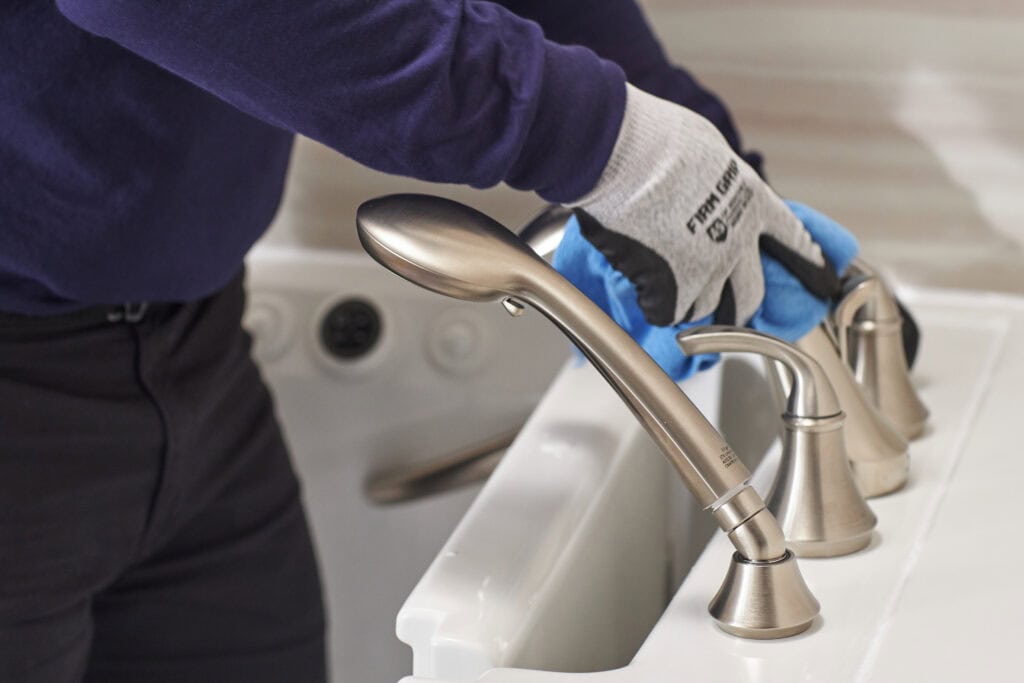
- Licensing and insurance. Your installer should be licensed in your state and carry liability insurance. Ask for confirmation of both before any work begins.
- Walk-in tub-specific experience. General contractors may not have direct experience with the plumbing and electrical requirements that walk-in tubs involve. Ask specifically about prior walk-in tub installations.
- Warranty coverage. Understand what is covered and for how long, both for the product and the installation work itself. These are often separate warranties. Some manufacturers, including Mad City’s product partners, offer lifetime manufacturer warranties.
Is a Walk-In Tub the Right Choice?
A walk-in tub is a meaningful investment. Before committing, it is worth confirming a few practical things about your bathroom and your needs.
- Standard walk-in tubs are approximately 60 inches long, 32 inches wide, and 38 inches tall, which fits most standard tub alcoves. Bariatric and two-seater models require more floor space. Measure your bathroom before settling on a model.
- Shared bathroom use. Because you must enter the tub before filling it and remain inside until it drains, walk-in tubs are less convenient for households where the bathroom is shared by people with different bathing preferences. A tub/shower combo or a separate shower addition may serve mixed-use households better.
- The fill-and-drain time. You sit in the tub while it fills and wait inside while it drains. Without a quick-drain feature, that wait can run six to twelve minutes each direction. Factor that into your daily routine before deciding how important that add-on is.
- Therapeutic need. If the primary goal is pain relief or improved circulation rather than basic bathing access, the type of jets matters. Air bath and hydrotherapy models produce different sensations and are not interchangeable. If possible, ask about demonstration models before purchasing.
A bathroom remodeling consultation with Mad City can help you work through these questions with someone who knows the product and the installation requirements. There is no cost to the consultation and no obligation to purchase. Read Mad City customer reviews to see what past customers say about the installation process.
Frequently Asked Questions
What is the average cost of a walk-in tub installed?
The total installed cost typically falls between $9,500 and $28,000, combining the tub price ($7,000 to $20,000 for most standard types) with installation ($2,500 to $8,000). The final number depends on the tub type, features selected, and any plumbing or electrical work required by your specific bathroom.
How much does a walk-in tub/shower combo cost?
Combination units add roughly $500 to $1,000 to the base tub price. On a mid-range hydrotherapy or air bath tub, that puts a combo unit in the $10,500 to $16,000 range before installation.
Does Medicare cover walk-in tubs?
In most cases, no. Medicare does not classify walk-in tubs as durable medical equipment. Medicaid may cover part of the cost in some states if the tub is deemed medically necessary, but eligibility requirements vary and require physician documentation.
What is the difference between an air bath and a hydrotherapy tub?
Hydrotherapy tubs use pressurized water jets that deliver a targeted, more intense massage. Air bath tubs use jets that push heated air through the water, producing a gentler, more diffuse effect across the body. Combination tubs include both systems.
How long does walk-in tub installation take?
Most standard installations are completed in one day. Jobs requiring plumbing reconfiguration or new electrical circuits may extend to two days.
Are walk-in tubs worth the cost?
For households where safe, independent bathing is a genuine concern, yes. The tub addresses a specific functional problem that alternatives like grab bars or bath chairs only partially solve. The investment makes the most sense when the person using it plans to remain in the home long-term.